Colorado River curtailment would reach Draper through the Central Utah Project
Just over a quarter of the water used in Salt Lake, Utah and Wasatch counties comes from the Colorado River Basin, and it reaches Draper through a system that a curtailment could shut off.
Automated reporting, from the sources cited below. How this paper is made.
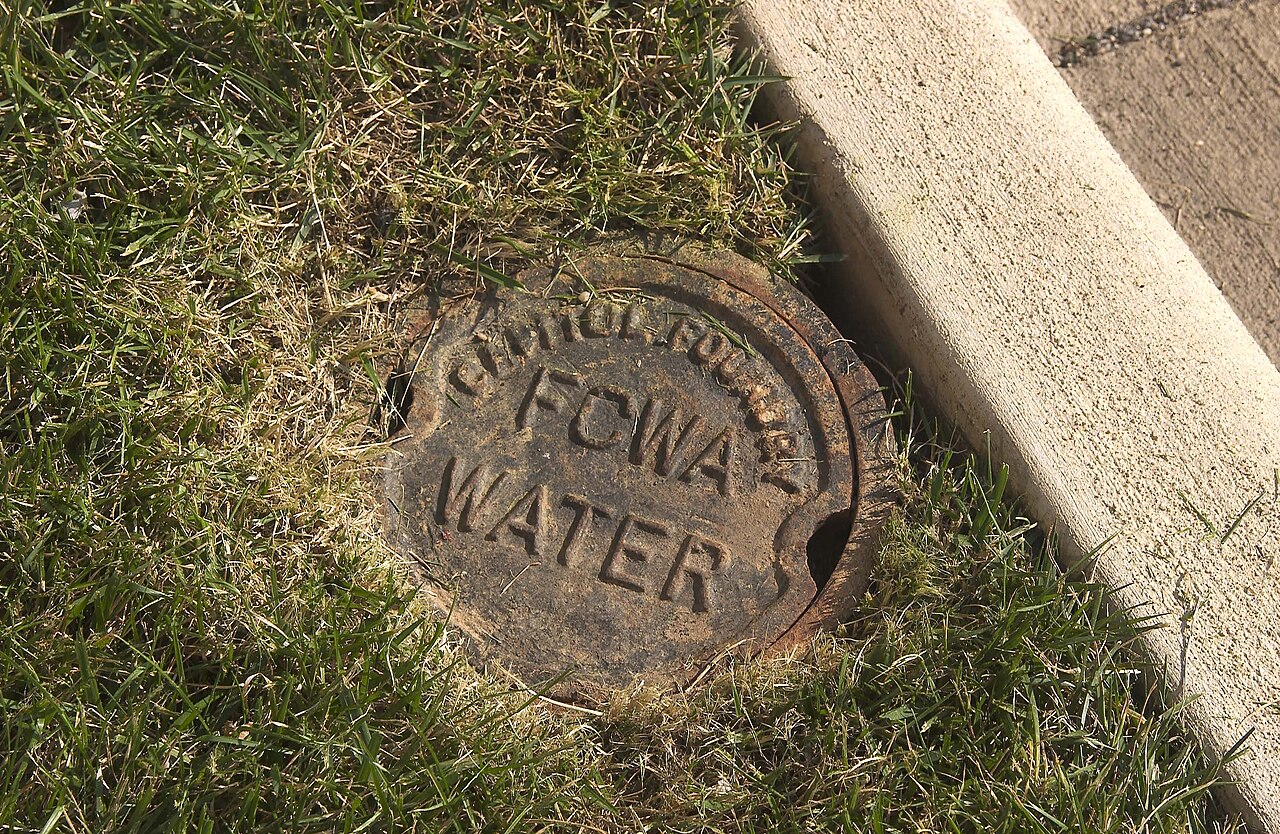

Just over a quarter of the water used in Salt Lake, Utah and Wasatch counties comes from the Colorado River Basin, and most of it arrives through more than 100 miles of tunnels and pipelines that end at taps on the Wasatch Front, Draper's among them. A joint investigation by The Salt Lake Tribune, KUER and KSL, published Oct. 20, traced that system and the risk that a cut on the Colorado River would reach it 12.
The Central Utah Project begins at Upper Stillwater Dam, just over 8,000 feet up in the Uinta Mountains, and carries water west through tunnels, siphons and reservoirs to Strawberry Reservoir in Wasatch County, the last and largest collection point before the system crosses into the Great Basin, where about 90 percent of Utahns live 2. Strawberry stores up to 1.1 million acre-feet 2. Jared Hansen, manager of the Central Utah Project, told the Tribune the project serves between 1.5 and 2 million people 2.
The exposure is legal as much as physical. The project holds a 1964 water right, which makes it a relatively junior user on the Colorado River system; if Utah and other Upper Basin states have to curtail their use through litigation or a dispute resolution process over the Colorado River Compact, the water district may have to let water flow on its natural path toward Lake Powell instead of diverting it 12.
"If the Central Utah Project is curtailed, it would be hugely disruptive, if not catastrophic, to the Wasatch Front," Amy Haas, director of the Colorado River Authority of Utah, said at the Colorado River Water Users Association conference last year 12. Troy Ovard, an area manager with the Central Utah Water Conservancy District, told the Tribune a curtailment would be "new territory"; the district has always been able to take or deliver its full water right 12.
This year tested the system before any curtailment arrived. In a typical year about 100,000 acre-feet flows through the project's diversions into Strawberry; this year just over 37,000 acre-feet made it through, according to the district 12. "It's just a terrible, dry year," Hansen said. "Worst of my career by far." 2
The reservoir is still about three-quarters full because the district banked water in earlier years, and Hansen said it was built to carry across years like this one, though he acknowledged a year this bad was not contemplated 12. Ovard said that if sustained drought drained the reserves, the district would reduce deliveries to the Wasatch Front rather than run the reservoir dry 12.
Draper draws from that system as a wholesale member of the Jordan Valley Water Conservancy District, which serves nearly 800,000 residents in Salt Lake County and delivered 110,000 acre-feet of treated drinking water in fiscal 2025/26 4. That year the district implemented the first Level 2 water availability status in its history under its drought contingency plan, and deliveries across its service area fell 15 percent, past the 10 percent goal it had set 4. Its board adopted Level 2 at its April 2026 meeting 5.
For Draper specifically, district figures presented to member agencies list the city's 2025 deliveries at 4,939 acre-feet, against a 10 percent reduction target of 4,445 5. Draper's own notice, updated Aug. 7, says the district and its member agencies, Draper included, adopted Level 2, and that the designation means the cities must work together to reach a 10 percent reduction. It reports that the city cut water use 9 percent in May and 12 percent in June 3. The notice tells residents not to water in September and October, when outdoor watering is no longer necessary, and points them to the state's weekly lawn watering guide 3.
The project's reach is growing at the same time. All transbasin diversions combined moved about 165,000 acre-feet to the Great Basin in 2024, roughly 15 percent of Utah's total Colorado River consumption that year, according to the Upper Colorado River Commission 2. The district finished a four-mile pipeline in southern Utah County this summer that now delivers Colorado River water to Santaquin and Salem for the first time, and it expects diversions to increase over the next decade 2.
The district is also counting on savings from enclosing the High Line Canal, which has carried Colorado River water across Utah County since 1917. The canal loses more than a sixth of its water to evaporation and seepage, and the district's Brad Perkins put the savings at the typical water use of 12,000 to 15,000 single-family homes 12.
No curtailment is in effect. The district's annual report and its member-agency briefing describe no timetable for one, and the region's conservation target remains the 10 percent reduction under Level 2 45. The investigation reported that the seven states that share the river continue to dispute its shrinking supply, which is the process that could force the question 2.
- https://draperherald.com/articles/colorado-river-drought-threatens-draper-s-water-supply-mvi4t8ph
- https://www.sltrib.com/news/environment/2026/10/20/why-colorado-river-is-critical/
- https://www.draperutah.gov/news/news-post/water-conservation-efforts-requested
- https://jvwcd.gov/file/065f498e-c809-4b37-9203-1a6fa0dc6e1e/FY2526AnnualReportDigital.pdf
- https://www.utah.gov/pmn/files/1425461.pdf
More from this paper
- Draper clinic is first in the West to implant an AI-designed lens, station reports
- Corner Canyon sweeps into 6A volleyball semifinal; Herriman High falls to Bingham in five
- Draper commission clears two internal-ADU deviations and a home woodworking permit
- Draper preservation commission votes to film the Nielsen House and weighs a last $1,800
0 comments on Bluesky
Reply on BlueskyNobody has replied to this story yet. Comments live on Bluesky, where anyone can join in.
Comments are hosted on Bluesky and shown here as they appear there. The Ledger keeps no reader accounts, and nothing about your reading; the one thing a reader may leave us is an email address, if they choose to sign up.